
Chapter 3
Conclusion: Drawing the Line Between Support and Enablement
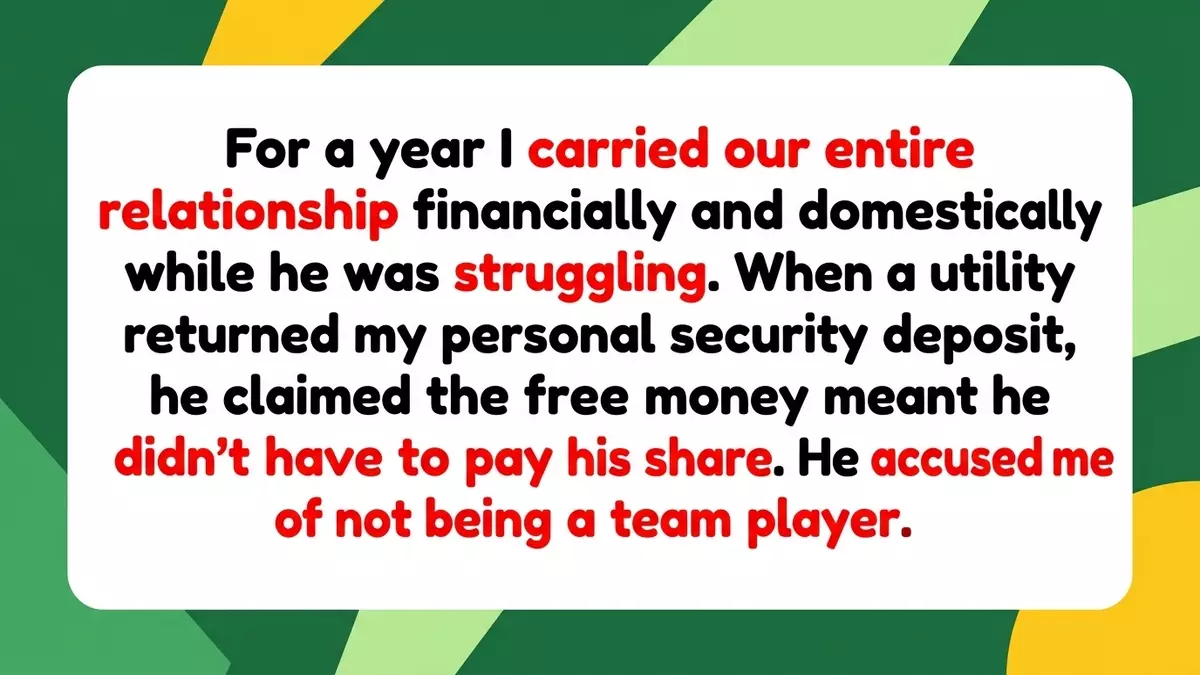
Ultimately, this simple utility bill served as a powerful, necessary diagnostic tool for a deeply imbalanced partnership. Drawing a hard line around your personal finances is not an act of selfishness; it is a vital act of self-preservation. It forces hidden dynamics out into the open, revealing whether your partner views you as an equal teammate or simply as a convenient financial cushion.
While it is entirely natural to feel a pang of guilt when holding a struggling partner accountable, sacrificing your own financial well-being and personal peace serves absolutely no one. Protecting your boundaries is the only way to ensure you don't lose yourself while trying to save someone else.
Frequently Asked Questions
What is the difference between supporting a partner and enabling them?
Supporting a partner involves offering empathy, love, and assistance while encouraging them to take actionable steps toward recovery or responsibility. Enabling occurs when you consistently shield a partner from the real-world consequences of their choices, absorbing their financial and domestic obligations to your own emotional or financial detriment.
How should couples fairly divide utility bills when an account credit occurs?
If a utility credit results from a security deposit that only one partner funded, that credit remains the personal asset of the person who paid it. The non-paying partner is still responsible for contributing their standard percentage of the actual monthly usage costs, which should be paid directly to the partner who funded the deposit.
Why do financial arguments frequently lead to romantic breakups?
Money issues are rarely just about cash; they are symbolic proxies for deeper relational values, including trust, respect, safety, and equality. When partners possess mismatched views on financial equity and accountability, it creates an unsustainable power dynamic that gradually erodes intimacy.
How can a person protect their personal assets when moving in with a partner?
To protect your personal assets, have an explicit, documented conversation about financial divisions before moving in together. Keep track of individual security deposits, maintain separate bank accounts for personal spending, and utilize a shared communal account strictly for pre-agreed household expenses.
What are the psychological signs that a relationship has become unequal?
Key warning signs of an unequal relationship include chronic feelings of resentment, a severe imbalance in household chores and cognitive labor, feeling like a caretaker rather than a partner, and walking on eggshells around financial topics because your partner acts defensively when held accountable.